
How Nature-Based Solutions Are Saving the Seychelles — and the Planet
In the Seychelles archipelago in East Africa, rising sea levels are threatening the country’s low-lying islands through flooding and erosion. But at the same time, the country’s natural defense — its mangrove forests — is disappearing. Since the late 1700s, about 70% of Seychelles’ mangroves have been destroyed due to human-driven development, agriculture, and soil erosion linked to climate change.
In response, the Seychelles Government is partnering with local communities to restore these vital ecosystems. Mangroves not only protect shorelines from flooding but also store an estimated 2.5 million tonnes of CO₂-equivalent — the same as taking 500,000 cars off the road for a year. They’re also critical breeding grounds for fisheries, a sector that contributes one-fifth of the country’s GDP, sustaining local livelihoods and biodiversity.
This initiative is a powerful example of a nature-based solution — a project that uses the power of nature to tackle challenges for people, the planet, and the climate.
Why Are Nature-Based Solutions Gaining Global Attention?
Though the idea of using nature to support life and livelihoods isn’t new, interest in nature-based solutions (NbS) has surged in recent years. These solutions are now seen as key to addressing complex global challenges like climate change, biodiversity loss, food security, urban heat, and economic instability.
Yet, despite their potential, nature-based solutions remain underfunded. Experts estimate that to meet global climate and biodiversity goals, investments in NbS must triple by 2030.
What Are Nature-Based Solutions?
Nature-based solutions are actions that protect, conserve, restore, or sustainably manage ecosystems in ways that tackle social, economic, and environmental problems — all while boosting human well-being and biodiversity. Unlike strategies that simply reduce human impact (like recycling), NbS actively use nature’s functions to deliver broad, co-benefits.
For example:
In Mumbai, India, a 3.2-acre urban forest is being created to cool the city, reduce urban heat, and provide recreation.
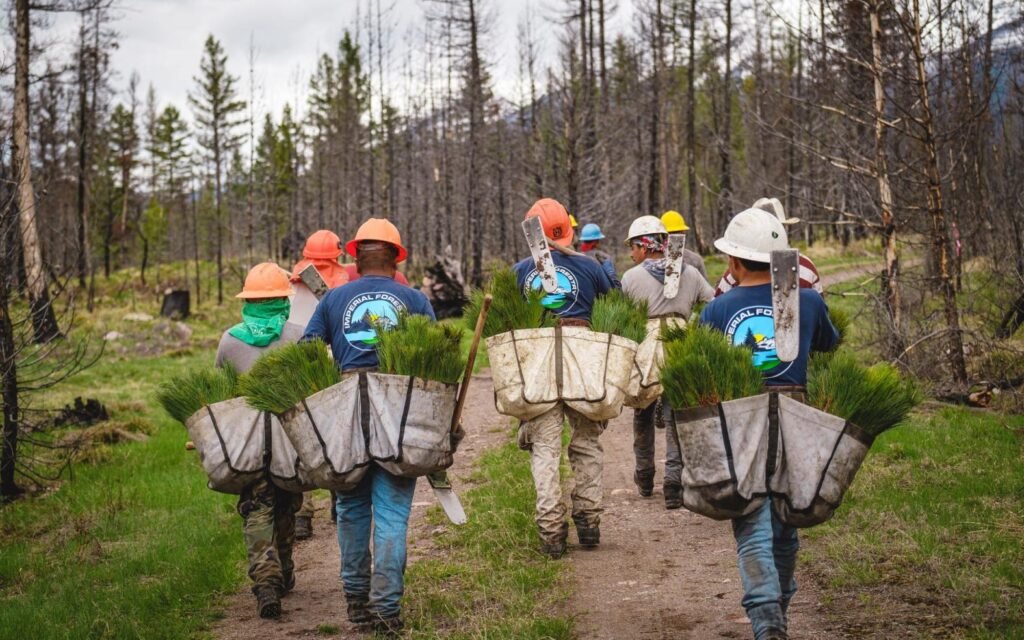
In Burundi, hillside terraces of trees control erosion, boost crop yields, and capture carbon.
In Chennai, India, wetland restoration helps manage flooding, clean water supplies, and support wildlife.
In Medellín, Colombia, the city planted over 8,000 trees across 30 “green corridors,” cooling the city, improving air quality, and enriching urban biodiversity.
Why Are Nature-Based Solutions Powerful?
Studies show NbS can reduce climate risks as effectively as traditional infrastructure like sea walls or drainage systems. They also often cost less and bring long-term environmental and social returns.
These solutions are now being recognized by global climate and biodiversity institutions such as the IPCC and IPBES. Over 92% of national climate targets reference nature-based strategies, and more organizations — public and private — are investing in them.
However, definitions still vary. Some limit NbS to functioning ecosystems, while others include nature-inspired innovations. Regardless, the unifying principle remains: work with nature, not against it.
Connecting Nature-Based Solutions with Other Approaches
Nature-based solutions encompass and align with other green approaches like:
Ecosystem-based adaptation
Forest and landscape restoration
Agroecology
Green infrastructure
REDD+ (Reducing Emissions from Deforestation and Forest Degradation)
For instance, mangrove restoration can be both climate mitigation and disaster risk reduction.
Nature-Based Solutions for Climate Action
NbS are considered one of the “super solutions” to climate change. They are affordable, scalable, and effective. Studies suggest that NbS could contribute up to one-third of the emissions reductions needed to keep global warming under 1.5°C.
“Natural climate solutions” — a subset of NbS — specifically aim to reduce or remove greenhouse gases. Reforesting degraded lands, restoring wetlands, and protecting coastal ecosystems all fall under this category.
These actions don’t just reduce emissions; they also help communities adapt to climate impacts while enhancing biodiversity and livelihoods.
The Broader Impact of Nature-Based Solutions
Nature-based solutions support multiple global goals:
The Paris Agreement (climate action)
The Sendai Framework (disaster risk reduction)
The UN Sustainable Development Goals (SDGs) including clean water, food security, health, decent jobs, sustainable cities, and life on land and sea
The Kunming-Montreal Global Biodiversity Framework
They also present a valuable opportunity for the private sector. Businesses are starting to align their strategies with nature conservation to enhance resilience, fulfill net-zero goals, and contribute to global targets like the UN’s 30×30 goal (protecting 30% of land and sea by 2030).
What Are the Risks?
Despite their promise, nature-based solutions face criticism. Key concerns include:
Greenwashing: Some companies exaggerate the impact of their environmental projects. For instance, large-scale tree planting with non-native species might harm ecosystems rather than help them.
Distraction from real change: Relying on NbS for carbon offsets can divert focus from urgent industrial decarbonization.
Over-climate focus: Prioritizing climate over other ecosystem functions may overlook critical services like pollination, rainfall generation, and disease control.
Moving Forward with Nature-Based Solutions
To fully realize the benefits of NbS, decision-makers must:
Clarify definitions and standards across all sectors
Implement transparent monitoring and reporting
Create policies that reward real, measurable outcomes
Ensure Indigenous and local communities are involved from the start and receive a fair share of the benefits
Nature-based solutions, when thoughtfully and equitably designed, can offer unmatched benefits across climate, biodiversity, and society. In many ways, the future of people and the planet depends on whether we choose to invest in nature — not just as a resource, but as a partner.